Specific Structural Inspection Report Cheam, North Surrey
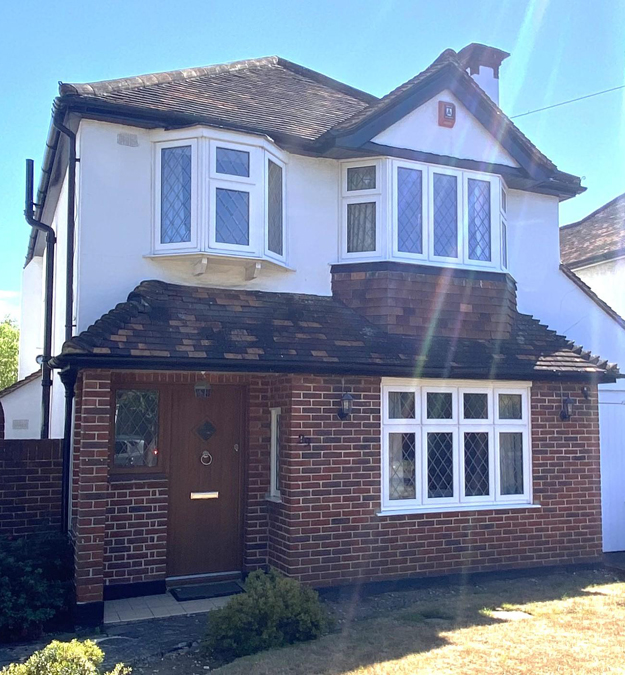
A Structural Engineers Specific Structural Inspection Report (SSI), for a property in Cheam, KT17
Reason for contacting Structural Engineers Reports Ltd (SERL)
An owner reached out to SERL after discovering our services online and being impressed by our positive reviews and high ratings.
The owner had become worried about worsening cracks in the kitchen and on the exterior of their home over the past year or two, having lived in the property for several decades.
In response to the client’s requirements our qualified Chartered Structural Engineer recommended a Specific Structural Inspection report.
Our Structural Engineers Report for the North Surrey property
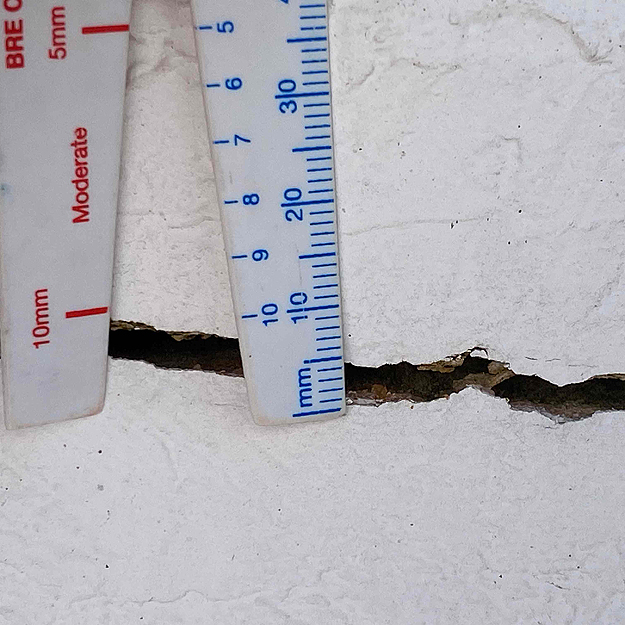
The rear corner of the detached property showed classic signs of subsidence-related cracking. These cracks were primarily horizontal and diagonal, approximately at waist height. Externally, crack widths measured typically between 3 and 4 mm, while internally, the walls and adjacent ceiling had cracks measuring 2 mm. An adjacent drain run and gulley were observed, and it was suspected that these are the cause, as the issue does not appear to be linked to the usual London Clay and tree root scenario.
SERL’s conclusions and recommendations
We advised the owner to arrange a CCTV survey of the drains and undertake repairs if any leaks were detected.
After basic drain repairs, resin injection can be applied to the cracks at an approximate cost of £1,000, followed by redecoration of the area.
We always advise owners to inform their insurance company in such situations, not to file a claim, as the repair cost is likely below the policy excess. This step also mitigates the risk of future non-disclosure issues and helps prevent potential insurance premium increases.
The owner, having considered our guidance, was confident about the course of action and content to proceed with minimal financial risk.