
The owner of this 1920s semi-detached property in Putney contacted SERL after discovering cracking in the party wall and adjacent internal areas. Naturally, they were concerned that the damage could indicate subsidence or another serious structural problem.
Following an initial discussion, one of our qualified Chartered Structural Engineers recommended a Specific Structural Inspection (SSI) Report. This type of report is designed to investigate a particular structural concern and provide clear conclusions and practical recommendations.
SERL offers two types of structural reports:
1) Specific Structural Inspection (SSI) Report – A localised inspection focusing on a specific structural concern or defect. This may also be referred to as a Structural Engineer’s Defect Report.
2) General Structural Inspection (GSI) Report – A broader inspection that assesses structural cracking and movement throughout the property. This is sometimes known as a Structural Engineer’s General Movement Report.
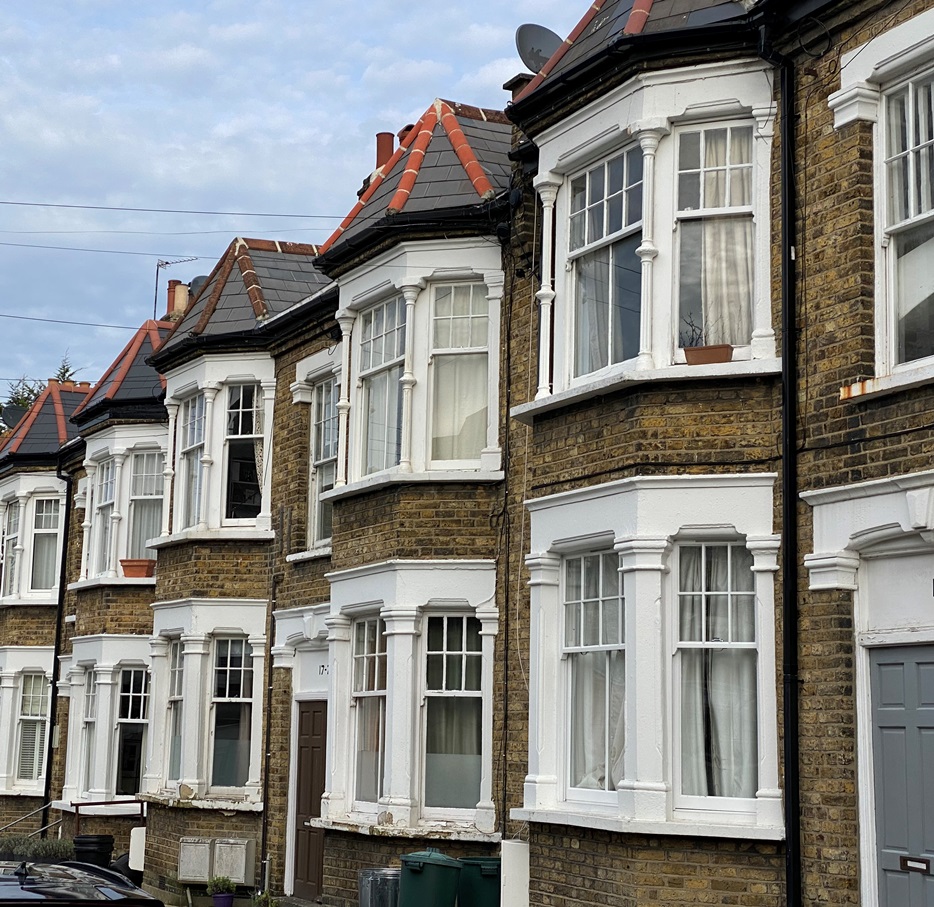
The property in Putney, South West London, was a traditionally constructed 1920s semi-detached family home with solid masonry walls.
The site is located on Kempton Park Gravel, rather than shrinkable clay soils, meaning it would not normally be considered a typical candidate for clay-related subsidence.
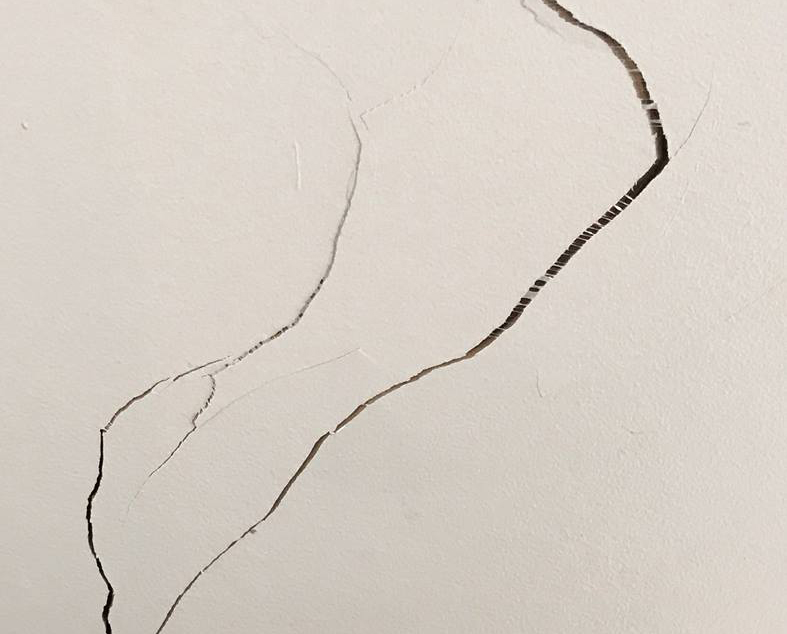
During the inspection, our engineer identified random cracking of approximately 5mm within the party wall. While the width of the crack was notable, its pattern was not consistent with foundation movement or subsidence.
Rather than propagating from the top or bottom of the wall, the crack had developed within the central section of the wall, which is atypical of structural foundation failure.
A further inspection revealed extensive areas of loose plaster when the wall was gently tapped. The homeowner also advised that neighbouring building works, including the construction of a basement, had recently taken place
Following our investigation, we concluded that the damage was not caused by subsidence or significant structural movement. Instead, the cracking was confined to the plaster and had occurred at a natural weak point between the front and rear sections of the property.
To restore the wall, we recommended a traditional cementitious grout repair combined with HeliBar steel reinforcement, with an estimated repair cost of approximately £1,000.
Most importantly, we were able to reassure the homeowner that there was no evidence of subsidence and no need to notify their building insurer.