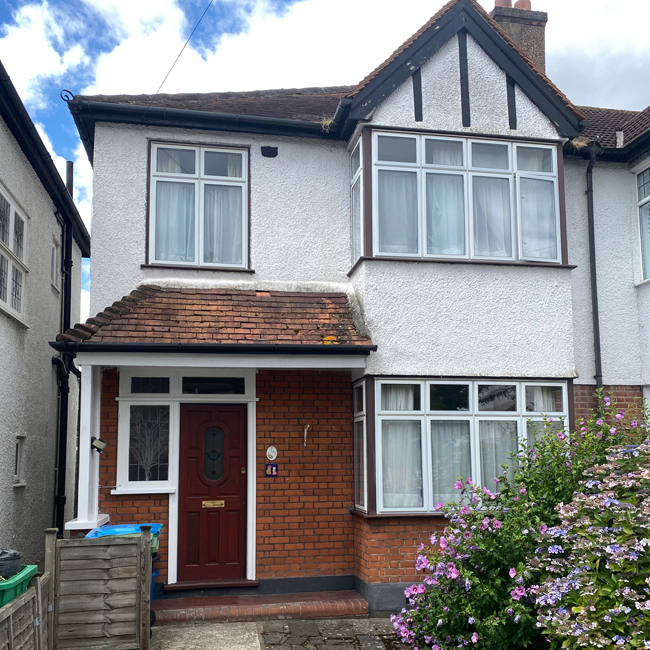
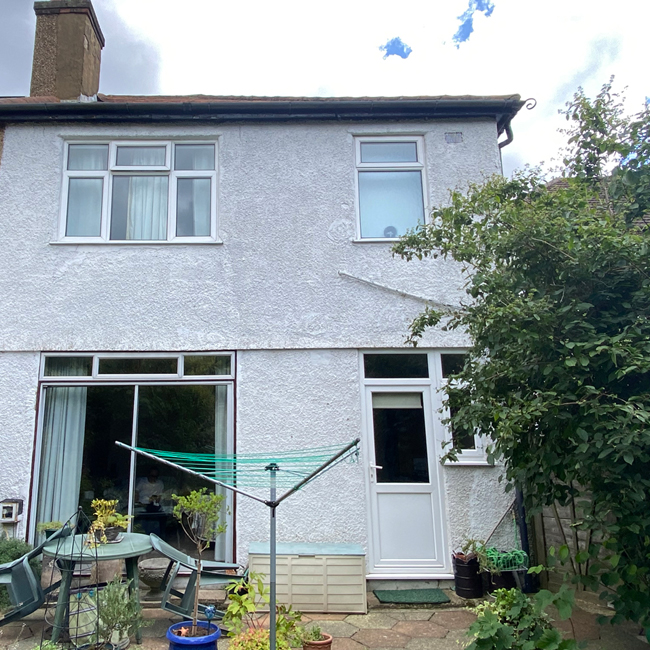
General Structural Inspection Report Richmond Upon Thames, TW9
A Structural Engineers General Structural Inspection Report (GSI), for a property in Richmond Upon Thames
Reason for contacting Structural Engineers Reports Ltd (SERL)
A property owner contacted to SERL following a recommendation from a local chartered surveyor due to our renowned expertise and independence in providing structural engineering reports particularly in the South-West London area.
The client required a structural engineer’s report to support their building insurance application since the owner’s current insurers had mysteriously withdrawn subsidence cover.
SERL’s structural reporting service
In response to the client’s requirements our qualified Chartered Structural Engineer recommended a General Structural Inspection (GSI) report.
Our Structural Engineers Report for the South West London property
The property is a modern, semi-detached family home constructed in the 1980s. Its construction follows typical practices of the mid-1980s, featuring cavity brick and block external walls, a solid concrete ground floor, and suspended upper floors and a roof framework.
Given that the house was built after the 1986 drought, it likely has engineer-designed foundations extending beyond one metre in depth, particularly important due to the presence of clay soil and nearby trees. The foundation depth would have been calculated to accommodate the mature height of the surrounding trees.
SERL’s findings
Following our comprehensive inspection of the whole house, the property showed no signs of structural cracks, both inside and outside, whether historic or recent.
SERL’s conclusions
We were satisfied that the property in good condition and saw no reason it could not obtain building insurance with subsidence cover. Considering its 1980s design and construction, we believed it to be a favourable insuring prospect.
We provided a positive report to the client and assumed they were eventually able to acquire building insurance with subsidence cover, although we had not received confirmation by the time this case study was written.